By Joshua McMorrow-Hernandez for PCGS ……
The 2005-D Speared Bison Nickel: A Modern Mint Variety Icon
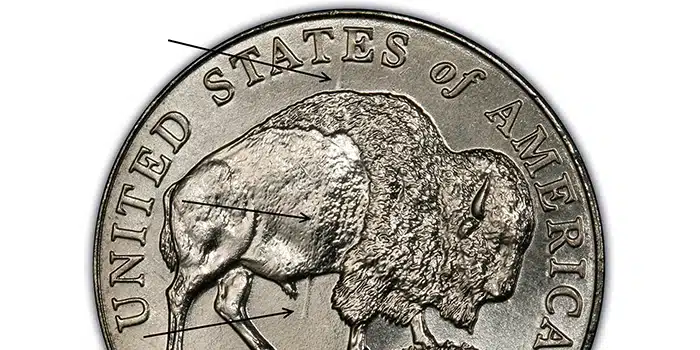
Among modern U.S. coin varieties, few pieces spark as much curiosity as the 2005-D Speared Bison Jefferson Nickel. At first glance, the coin looks almost shocking. A long, raised line appears to pierce straight through the back of the American bison. For collectors encountering the coin for the first time, the effect feels deliberate, dramatic, and even humorous. However, the truth behind this famous variety proves far more technical—and far more fascinating.
A Familiar Design with an Unexpected Twist
In 2005, the United States Mint issued special Westward Journey Nickels to commemorate the Lewis and Clark Expedition. One reverse design featured an American bison, a clear homage to James Earle Fraser’s iconic Buffalo Nickel motif used from 1913 through 1938. While the design felt nostalgic, one unexpected flaw transformed a routine modern issue into a standout collectible.
Some Denver-minted examples display a prominent spike-like line running diagonally through the bison’s back. This feature earned the coin its memorable nickname: the “Speared Bison.”
What Caused the Speared Bison Variety?
Despite its dramatic appearance, the Speared Bison Nickel did not result from artistic mischief or experimental design. Instead, the variety formed because of a severe die break. Over time, the immense pressure and repeated use of a working die can cause metal fatigue. When the die fractures, molten metal flows into the crack during striking. As a result, a raised line appears on the finished coin.
Die breaks occur frequently in U.S. coinage. However, most examples show minor bumps or short cracks. In contrast, the Speared Bison die break created a bold, uninterrupted line. Because of its size and placement, the defect instantly captured attention and generated widespread interest among collectors.
Rapid Discovery and Early Market Buzz
Once collectors identified the Speared Bison Nickel, excitement spread quickly. Error and variety specialists recognized the piece as a major modern variety rather than a minor mint flaw. Consequently, prices surged almost immediately. Early examples traded for more than $100, even before population data became clear.
This rapid demand helped cement the Speared Bison’s reputation as one of the most important Jefferson Nickel varieties of the 21st century.
Scarcity, Grades, and Market Values
Today, the 2005-D Speared Bison Nickel remains both popular and legitimately scarce. The variety qualifies as a major listing in PCGS Registry Sets that include Jefferson Nickels, which further fuels demand.
Circulated examples typically sell from $20-$50 and reflect steady collector interest. In Mint State, prices rise quickly. Coins graded MS63 often bring around $200+. At MS65, prices exceed $475, largely because so few high-grade examples exist.
Poor planchet quality plagued many 2005-D nickels. As a result, clean, well-struck coins remain extremely difficult to locate. IN MS66 condition they can range to $1500 or more. Notably, no confirmed examples grade higher than MS66, a fact that reinforces the variety’s long-term appeal.
Why the Speared Bison Still Matters
Nearly two decades after its discovery, the 2005-D Speared Bison Nickel continues to captivate collectors. It combines an eye-catching error, a beloved design throwback, and genuine scarcity. Moreover, it demonstrates how modern coinage can still produce legendary varieties.
For collectors who enjoy dramatic mint errors with strong market support, the Speared Bison Nickel stands as a modern classic, and a reminder that even routine pocket change can make numismatic history.
* * *

The post The Curiosity of the 2005-D Speared Bison Nickel appeared first on CoinWeek: Rare Coin, Currency, and Bullion News for Collectors.
from CoinWeek: Rare Coin, Currency, and Bullion News for Collectors https://ift.tt/UtbWeRd


