By Jeff Garrett for Numismatic Guaranty Company (NGC) ……
Is Your Coin Collection Safe? How Collectors Can Protect Rare Coins Today
Keeping your coin collection safe has become harder in recent years. However, collectors still have practical ways to protect rare coins, bullion, and other valuables.
Recently, Chase Bank sent us a letter about our safe deposit box. The bank told us it would close the box and that we needed to remove the contents.
At first, I thought this problem affected only our local branch. However, we later learned that Chase had made the same decision nationwide. Soon after, I saw online ads from coin companies offering to buy rare coins and bullion from customers who had lost access to their safe deposit boxes.
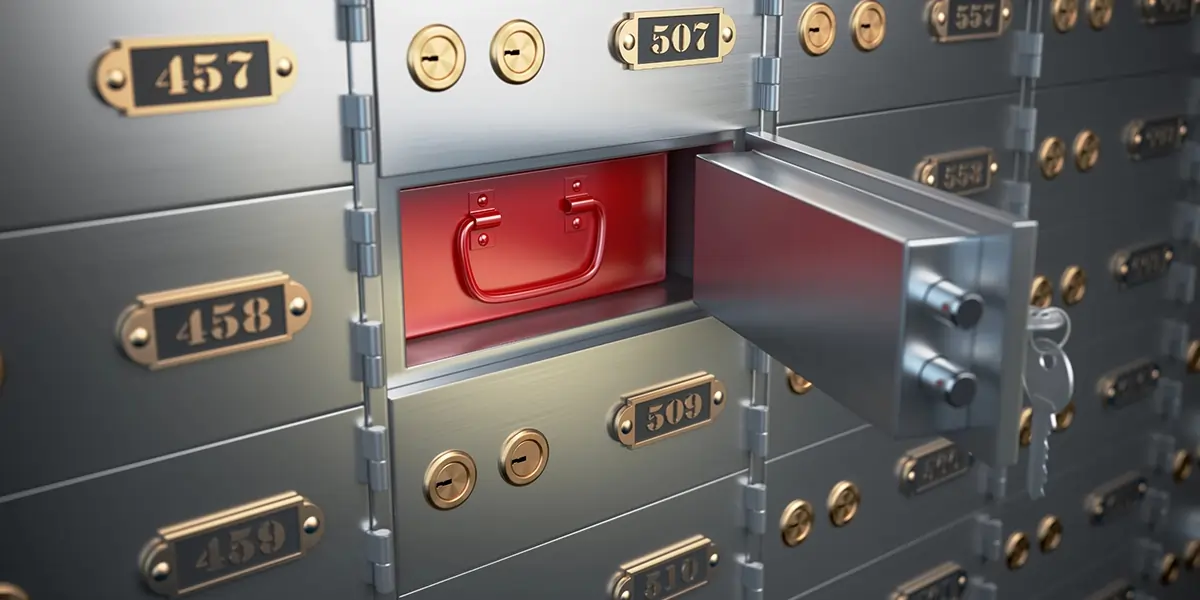
Banks Are Moving Away From Safe Deposit Boxes
Unfortunately, Chase Bank does not stand alone. Other financial institutions have also moved away from safe deposit boxes.
In addition, many banks have closed branches. Fewer customers now visit banks for everyday business. As a result, banks no longer need as many physical locations.
Our local bank’s main branch once had constant activity. Today, it looks like a ghost town on most days.
After doing some research and speaking with bankers, I found several reasons for this shift. First, digital banking has changed customer habits. Second, banks face higher costs when they maintain vaults, security systems, and trained staff. Finally, legal liability for stored items has become another concern.
Coin Collectors Now Have Fewer Storage Options
Rare coin companies usually operate vaults, high-security safes, and other strong security systems. However, individual collectors often have fewer choices.
Some larger cities have private vault companies. These firms may offer another option. However, collectors should proceed carefully. These companies do not operate under the same rules as banks. Therefore, you should research their history, reputation, and security record before you store valuable coins with them.
A Burglary Changed How I Think About Security
I find it awkward to write about a topic where I do not claim expert status. Still, my knowledge of security has grown greatly over the last several years.
About 10 years ago, burglars hit my business. That burglary gave me a serious wake-up call. Frankly, I had grown lax, and I paid the price.
However, the experience taught me valuable lessons. It also forced me to read the fine print in my insurance policy. Sometimes, the hardest lessons teach us the most.
Never Leave Rare Coins Out in the Open
The biggest lesson came quickly: never leave anything valuable outside a safe.
After the burglary, the police explained how common smash-and-grab crimes have become. Criminals often enter a building, grab as much as possible, and leave in less than two minutes. In many cases, police cannot arrive before the thieves escape.
Several factors drive this trend. Some people feel desperate. Others need cash to support drug addictions. Still others know that quick thefts can bring fast money.
Therefore, do not leave rare coins, bullion, or valuables where someone can take them quickly. Store your coins in a safe whenever possible. Even better, use a bank safe deposit box if you can still find one.
Most victims suffer because of simple carelessness.
Stay Low Key About Your Coin Collection
The burglary also taught me another lesson: stay low key.
The pizza delivery driver does not need to know that you keep rare coins in your home or office. Likewise, you do not need to tell people in your community about your collecting interests.
Conversations travel fast. A casual comment about rare coins may reach the wrong person.
This does not mean collectors should live in fear. However, caution makes sense, especially as numismatic crimes increase. For example, you may want to have numismatic periodicals delivered to a P.O. Box. In short, avoid anything that reveals too much about your collecting activities.

Review Your Numismatic Insurance
Most professional rare coin dealers carry some form of numismatic insurance. I paid for theft insurance for decades without making a claim. Like many people, I usually signed the contract and sent the check.
Then the burglary happened. Only after that did I read the policy closely.
I found a higher deductible than I expected. I also found other surprises. Insurance contracts contain complex language and plenty of fine print.
Fortunately, my policy covered the burglary. However, the experience pushed me to make several changes. I increased my coverage limits. I lowered my deductibles. I also added other improvements to the policy.
Do Not Assume Homeowner’s Insurance Covers Rare Coins
Many collectors do not carry specific numismatic insurance. Many also assume their homeowner’s policy will cover their collection.
In many cases, it probably will not.
Therefore, every collector should review their insurance needs. If you already have coverage, learn exactly what the policy covers. Also, learn what it excludes.
For collectors without numismatic insurance, start with your current insurance agent. You can also contact the American Numismatic Association for guidance. The ANA works with companies that help members insure rare coins.
Rare coin insurance can cost a lot. However, the peace of mind can prove priceless.
Fire, Flood, and Disaster Risks Still Matter
The image above came from a client in California. The client had stored a collection at a bank that the Palisades fires completely destroyed.
As the photo shows, only the bank vaults remained standing. Miraculously, the client’s collection survived the fire. However, other California collectors did not have the same luck.
This example shows why insurance matters, even when you store your collection in a safe deposit box. Fire, flood, theft, and other disasters can strike without warning. Therefore, collectors need protection beyond physical storage.
This also gives you one more reason to read the fine print.
Coin Collection Security Requires Action
I wish I could offer more detailed advice on how to protect every rare coin collection. As I stated earlier, I do not claim to be a security expert.
However, I have learned many lessons during the past several years. Recent bank branch closures and the loss of safe deposit boxes have made coin collection security more difficult.
Still, collectors can take smart steps. Use a safe. Stay quiet about your collection. Review your insurance. Read every policy carefully. Research private vaults before using them. And, whenever possible, avoid storing valuables where someone can grab them quickly.
Final Thought: Better Safe Than Sorry
Coin collectors work hard to build meaningful collections. Therefore, they should work just as hard to protect them.
The bottom line remains simple: better safe than sorry.
Hopefully, these lessons will help collectors think more carefully about coin collection security and the growing risks that rare coin owners face today.
The post Is Your Collection Safe? appeared first on CoinWeek: Rare Coin, Currency, and Bullion News for Collectors.
from CoinWeek: Rare Coin, Currency, and Bullion News for Collectors https://ift.tt/WaEhuiH


